When to Call mold removal experts in Boston: A Practical Guide
Living in the Boston area means dealing with old buildings, humid summers, and cold winters. That combination creates ideal conditions for mold growth. I have seen it in basements, attics, and even inside walls where no one thought to look. The question is not whether you might have mold but when you need professional help instead of a store-bought spray.
Many homeowners try to handle small patches themselves. That approach works for minor surface mold on tile or glass. But once mold gets into porous materials like drywall or wood, the problem changes. That is when you start thinking about calling mold removal experts. They bring equipment and knowledge that most people do not have on hand, and they understand how mold behaves inside a building envelope.
The Difference Between Surface Mold and Hidden Growth
Surface mold on a shower curtain or a windowsill looks ugly but usually cleans up with a mild detergent. The real trouble starts when moisture sits inside building materials for days or weeks. I have crawled into attics where a small roof leak went unnoticed for months. The mold had spread across the underside of the roof decking and into the insulation. No amount of scrubbing from the living side would fix that.
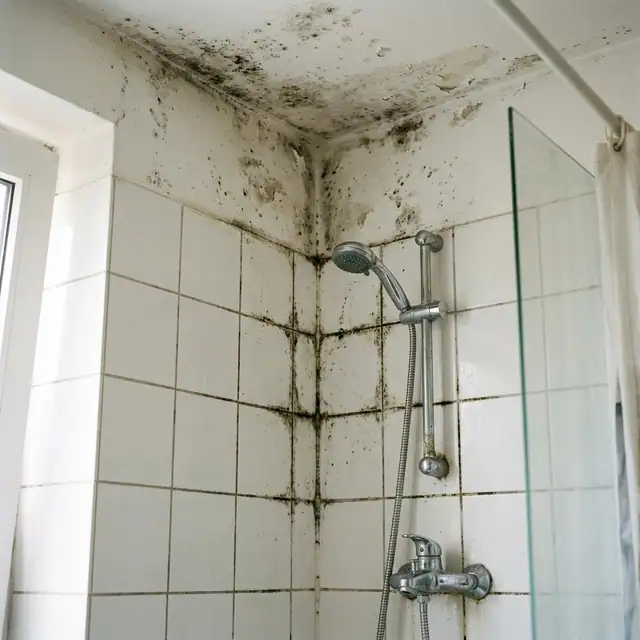
Hidden mold often grows behind wallpaper, under laminate flooring, or inside HVAC system ductwork. You might smell it before you see it. A musty odor that never goes away, even after cleaning, usually points to mold inside a wall cavity or a crawl space. At that point, you need someone who can locate the source without tearing the house apart. That is the kind of work mold removal experts do every day in Boston. They use moisture meters, borescopes, and their own experience to find the hidden colonies.
Risks of DIY Mold Removal on Large Areas
Some people grab bleach and a scrub brush the moment they see black mold. Bleach can kill mold on non-porous surfaces, but it has limits. On drywall or untreated wood, bleach does not penetrate deeply enough to kill the roots of the colony. The surface may look clean, but the mold grows back within weeks. Worse, bleach releases fumes that are harmful in enclosed spaces, especially if you are not wearing proper PPE.
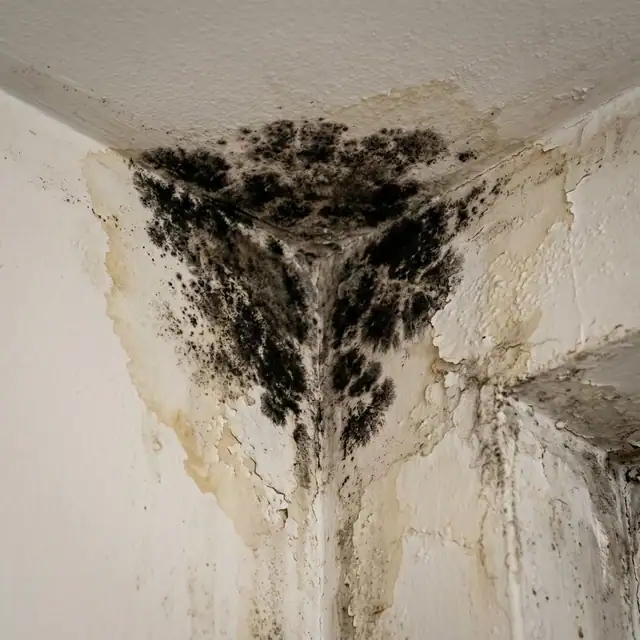
I have also seen homeowners use boric acid, Concrobium, and RMR-141. Those products work when applied correctly, but they require the right concentration, contact time, and safety gear. Concrobium is a fungistat that leaves a barrier on surfaces, while RMR-141 is a stronger disinfectant that needs ventilation. Neither is a magic bullet if the underlying moisture problem remains. The mold will return unless you fix the leak, improve airflow, or lower humidity with a dehumidifier.
The bigger risk is disturbing mold without containing it. Scrubbing dry mold releases spores into the air. Those spores settle on other surfaces and start new colonies. They also trigger allergies and respiratory issues for people in the house. Professional crews use HEPA vacuums, negative air pressure, and plastic sheeting to keep spores from spreading. They know how to remove contaminated materials without turning your home into a biohazard zone.
What Professional Remediation Looks Like
When I work with mold removal experts in Boston, the process usually follows a few clear steps. First, they inspect the property and identify the type of mold. Not all mold is toxic, but some species produce mycotoxins that require extra precautions. They test the air and surface samples if the situation looks serious.
Next, they contain the area. That means sealing off doorways, covering vents, and setting up a decontamination chamber. Workers wear PPE, including respirators with P100 filters, disposable coveralls, and gloves. They use HEPA vacuums to capture dust and spores before any demolition starts.
Then comes the removal. Soft materials like drywall, carpet, and insulation get cut out and bagged. Hard surfaces get scrubbed with antimicrobial solutions like Concrobium or an EPA-registered biocide. In some cases, they apply boric acid to wooden framing to prevent future growth. After the area is clean and dry, they rebuild with moisture-resistant materials.
Finally, they address the moisture source. That might mean fixing a plumbing leak, sealing a foundation crack, or improving ventilation in the crawl space. Without that step, the mold will come back no matter how thorough the cleanup. A good remediation company will not leave until the underlying cause is resolved or at least identified for the homeowner to fix.
Certifications and Standards in the Industry
Mold remediation is not a regulated trade in every state, but reputable companies pursue certifications that show real competence. The IICRC offers certification for water damage restoration and mold remediation. IAQA also provides training and credentials for indoor air quality professionals. When you look for mold removal experts, ask whether they hold an IICRC mold remediation certification or an IAQA credential. Those are not required by law, but they indicate that the company follows established protocols.
Some technicians also have training from organizations like Spalding Labs, which provides hands-on courses in mold inspection and remediation. Spalding Labs is well known in the industry for practical, field-tested training. A company that invests in that kind of education is more likely to do the job right.
The EPA publishes guidelines for mold remediation in schools and commercial buildings. Those guidelines apply to homes too. Professionals who follow EPA recommendations use containment, HEPA filtration, and proper disposal methods. They also test the air after the job to confirm that spore levels have returned to normal.
When You Absolutely Need Professionals
Some situations demand professional intervention. If the mold covers more than ten square feet, that is a large area by EPA standards. If the mold is inside an HVAC system, you need someone who can clean the ducts without spreading spores throughout the house. If the mold is caused by sewage backup or floodwater, the microbial load includes bacteria and viruses that require special handling.
Wood rot is another red flag. Mold that has caused structural wood rot means the wood has lost strength. That is not a cleaning job; it is a carpentry job combined with remediation. Mold removal experts can coordinate with contractors to replace rotted beams and joists safely.
People with asthma, allergies, or compromised immune systems should not be in the same building during active remediation. Professionals can set up a safe zone and complete the work without exposing the occupants to high spore levels. I have seen families move out for a week while a crew fixed a crawl space full of mold. It was inconvenient, but it kept everyone healthy.
Preventing Mold After Remediation
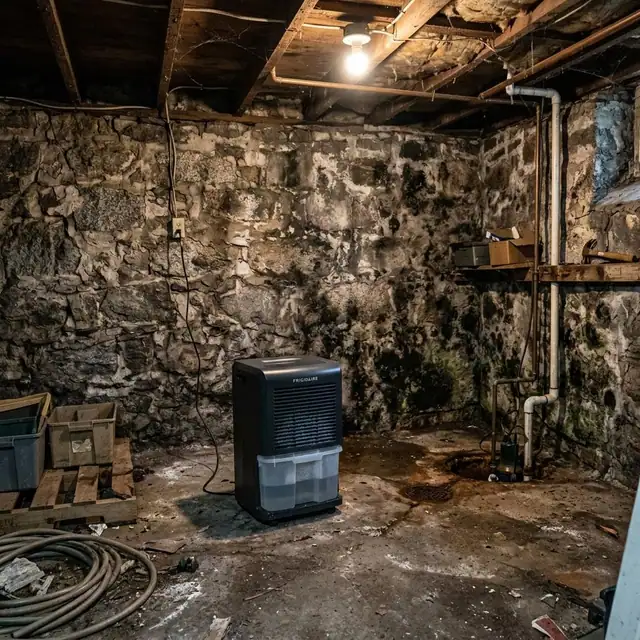
Once the mold is gone, keeping it away requires controlling moisture. A dehumidifier in the basement during summer months can make a big difference. Sealing crawl space vents and adding a vapor barrier on the ground also helps. Proper attic ventilation prevents condensation on the roof sheathing. If your HVAC system has a humidistat, set it to maintain relative humidity below 60 percent.
Simple habits matter too. Run the bathroom fan during and after showers. Fix drips under sinks right away. Dry wet clothes promptly. Mold needs food and water. Starve it by keeping surfaces dry and cleaning up spills within 24 hours.
Boston homes built before 1978 may have lead paint or asbestos in addition to mold. Disturbing those materials during remediation requires extra precautions. A good company will test for those hazards before starting work. They will also coordinate with abatement contractors if needed.
Final Thoughts
Mold is a persistent problem in the Northeast, especially in older buildings with basements and crawl spaces. You can manage small spots yourself, but when the growth spreads into walls, attics, or HVAC systems, you need people who do this work every day. Mold removal experts bring the training, gear, and experience to handle the job safely and thoroughly. They also understand the local building stock and the specific moisture challenges that come with a Boston climate.
If you smell mold or see it returning after cleaning, stop guessing. Get an inspection and let someone with a mold remediation certification assess the situation. It saves time, money, and worry in the long run.